
Detecting Chimney Leaks: Effective Methods
As a homeowner, if you detect even the smallest smell or stain, it’s easy to jump to the worst-case scenario. Sometimes it may be minor, but in some cases, it may indicate a chimney leak or major damage in the future. Regardless of how small or large it is in the moment, it’s important to find the source. In this article, we’ll walk through how to detect chimney leaks and the best way to address them before they get too costly.
Common Leaky Chimney Spots
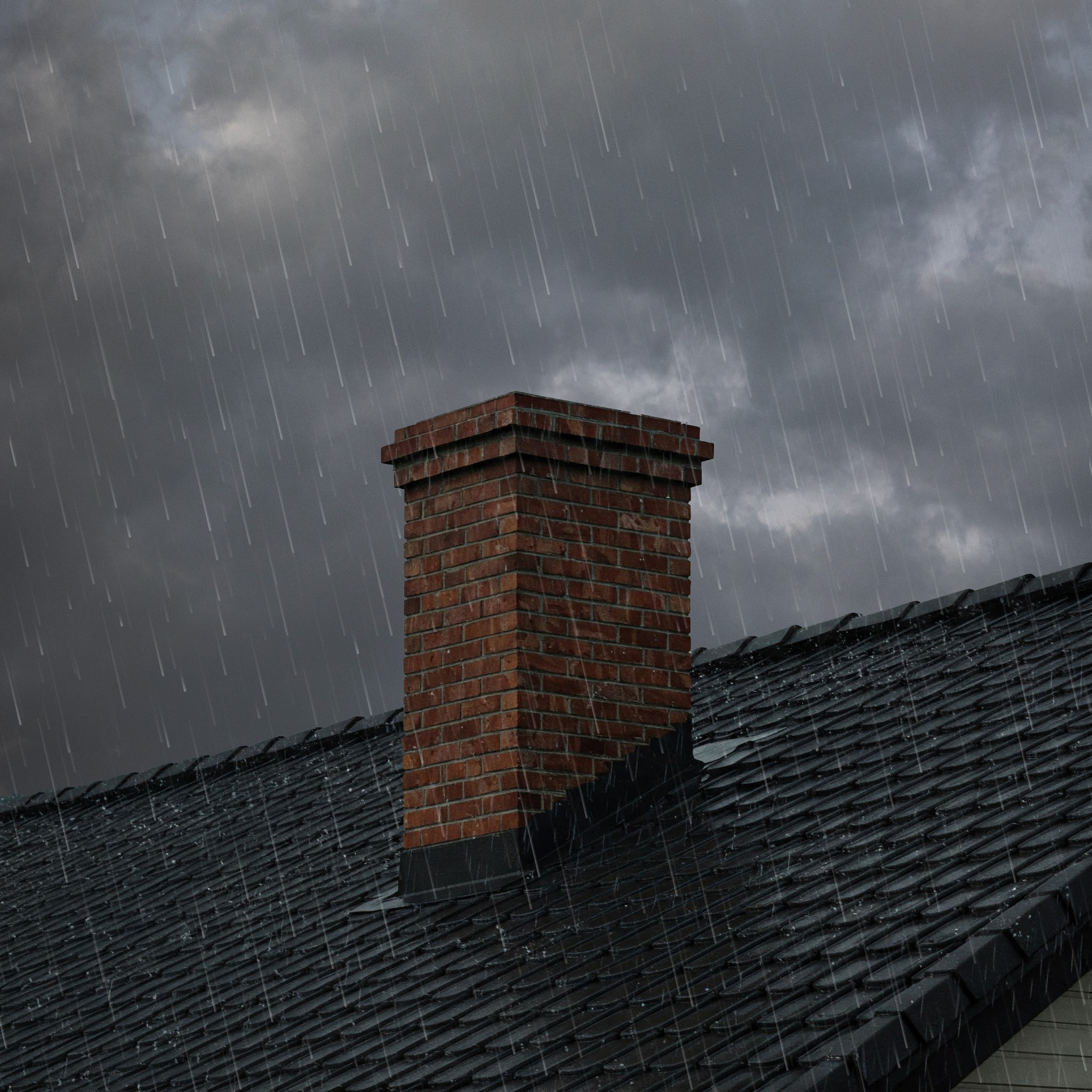
There are several chimney components that are prone to leaks. These parts include: the crown/top, cap, chimney flashing, masonry, and liner. Water can enteryourhome through any weak point, such as cracks, gaps, or deteriorated parts. Some leaks may be visible, but others can happen behind the scenes and cause hidden damage. Knowing the weak areas can help you and chimney professionals know where to look.
5 Common Signs of a Chimney Leak
While there are many different signs, there are a few particularly common ones to look out for. These are:
- Water stains: These can be found on walls or ceilings near the chimney. They’re typically yellow or brown patches — especially after rain.
- Efflorescence: This is a white, powdery deposit that can be found on masonry. It indicates that moisture is being drawn through the brick/mortar.
- Rust or corrosion: If you notice either of these on metal components, such as the firebox or damper, it indicates that moisture is inside the chimney.
- Musty smells or dampness: Smells around your fireplace or chimney area can suggest water intrusion as well.
- Cracks or deterioration: Visible wear on mortar or flashing is visible from the roof or attic and could provide points of entry for water.
If you spot one or more of these, it’s time for a closer look.

Methods to Detect the Source of the Leak
The first step to take after the leak is spotted is to perform an inspection. It’s best to trust the professionals with this one as they can look into the flashing, crown, cap, and even roof. Next, they’ll take a look around the fireplace and hearth to spot any stains, rust, or crumbling mortar. Water test methods can also be reused to determine where water drips. Sometimes this is easier than others; some instances may require a moisture meter or infrared scan.
Early detection can help avoid costly repairs down the line. Catching leaks early also means less disruption and a longer-lasting chimney.
Leaky Chimney? Call Chimney Specialists Inc. to Help Find the Cause
Do you have leaks in your chimney? If yes, it may be time to call Chimney Specialists Inc. with your questions or to book an appointment. If it turns out you are in need of some repairs, we can determine the right path for you with your timeline and budget in mind. Regular maintenance can help avoid issues in the future and make for the most enjoyable fire experiences throughout the season.


