
“Freeze-Thaw” Warning: January’s Silent Killer
As ice forms along the Mississippi River shoreline and freeze warnings are issued for Dubuque County, IA, many residents are unaware of a more ominous threat lurking overhead. The same freeze-thaw cycle that is so detrimental to plumbing and plants is also the primary enemy of masonry chimneys.
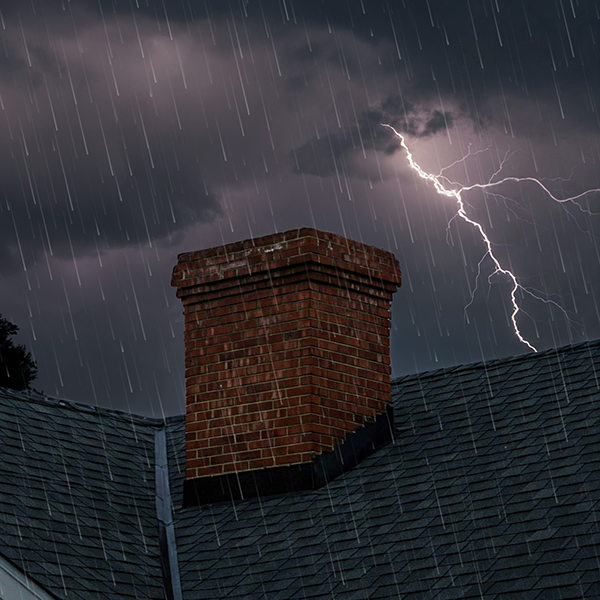 Without recognizing and repairing freeze-thaw damage, this silent killer can eventually destabilize the chimney, causing it to lean and even collapse. This partial or complete collapse can cause extensive property damage and poses a severe safety risk to anyone below when more than a ton of tumbling bricks falls like an avalanche.
What is the Freeze-Thaw Cycle?
During our long winter, moisture—from rain, melted snow, or humidity—seeps into the porous, spongy surfaces of bricks and mortar. When temperatures drop below freezing, that trapped water turns to ice and expands by approximately 9%. This expansion exerts immense internal pressure on the masonry. When the ice melts, it leaves behind larger cracks and voids, trapping even more water during the next freeze-thaw cycle.
How Does It Affect Masonry Chimneys?
Unlike the walls of your home, which are protected by eaves and insulation, the stack is completely exposed to the elements on all sides. It bears the full brunt of the winters in northeast Iowa, northwest Illinois, and southwest Wisconsin. The continuous internal pressure from expanding ice erodes mortar joints and causes bricks to crack, crumble, and spall, eventually compromising the entire structural integrity of the stack.
Common Types of Freeze-Thaw Damage
Once your chimney has freeze-thaw damage, it will continue to worsen until it is repaired. Some of the common types of chimney damage it can cause include:
- Cracked Bricks and Mortar
- Gaps in Mortar Joints
- Loose or Missing Bricks
- Leaky Chimney
- Draft Issues
Signs Your Brick Chimney Is Absorbing Moisture
Keep an eye out for these red flags that indicate your chimney needs immediate attention:

- White Staining (Efflorescence): A white, salty powder on the brick surface indicates that the masonry is absorbing moisture.
- Brick Flakes on the Ground: If you see brick pieces at the base of your chimney, your masonry is spalling.
- Rust on the Damper: If your metal damper is rusting or hard to move, you may have a water leak.
- Vegetation Growth: Moss or ferns growing out of the chimney are often a sign that moisture is trapped in the brickwork.
- Smokey Fireplace: When your fires are smokier than usual, it could be due to masonry damage that is impeding the draft.
Protecting Your Chimney from Freeze-Thaw Damage
Annual inspections, routine maintenance, and timely repairs are the keys to minimizing freeze-thaw damage:
- Schedule an Annual Inspection: Catching a small crack in the fall can save you from a complete rebuild in the spring.
- Repair Masonry Damage Timely: Restoration techniques like tuckpointing replace old, decaying mortar with fresh material to seal out the elements.
- Install a Chimney Cap: A high-quality cap acts as an umbrella, deflecting rain, wind, and snow from the masonry.
- Professional Waterproofing: Have your chimney sweep apply a vapor-permeable water repellent. Unlike “sealants” that trap moisture and exacerbate the problem, our formula allows the brick and mortar to “breathe” while repelling rain, snow, and ice.
Call Chimney Specialists Today to Schedule Your Winter Inspection
Is your masonry chimney cracking under the tri-state area’s damaging freeze-thaw cycle? Don’t wait for bricks to pop off the chimney! Call Chimney Specialists today, and let’s protect your chimney and fireplace from January’s “silent killer”. We proudly serve Asbury, IA; Galena, IL; Kieler, WI; and surrounding communities.


