
Reasons Why Your Fireplace May Be Smelly
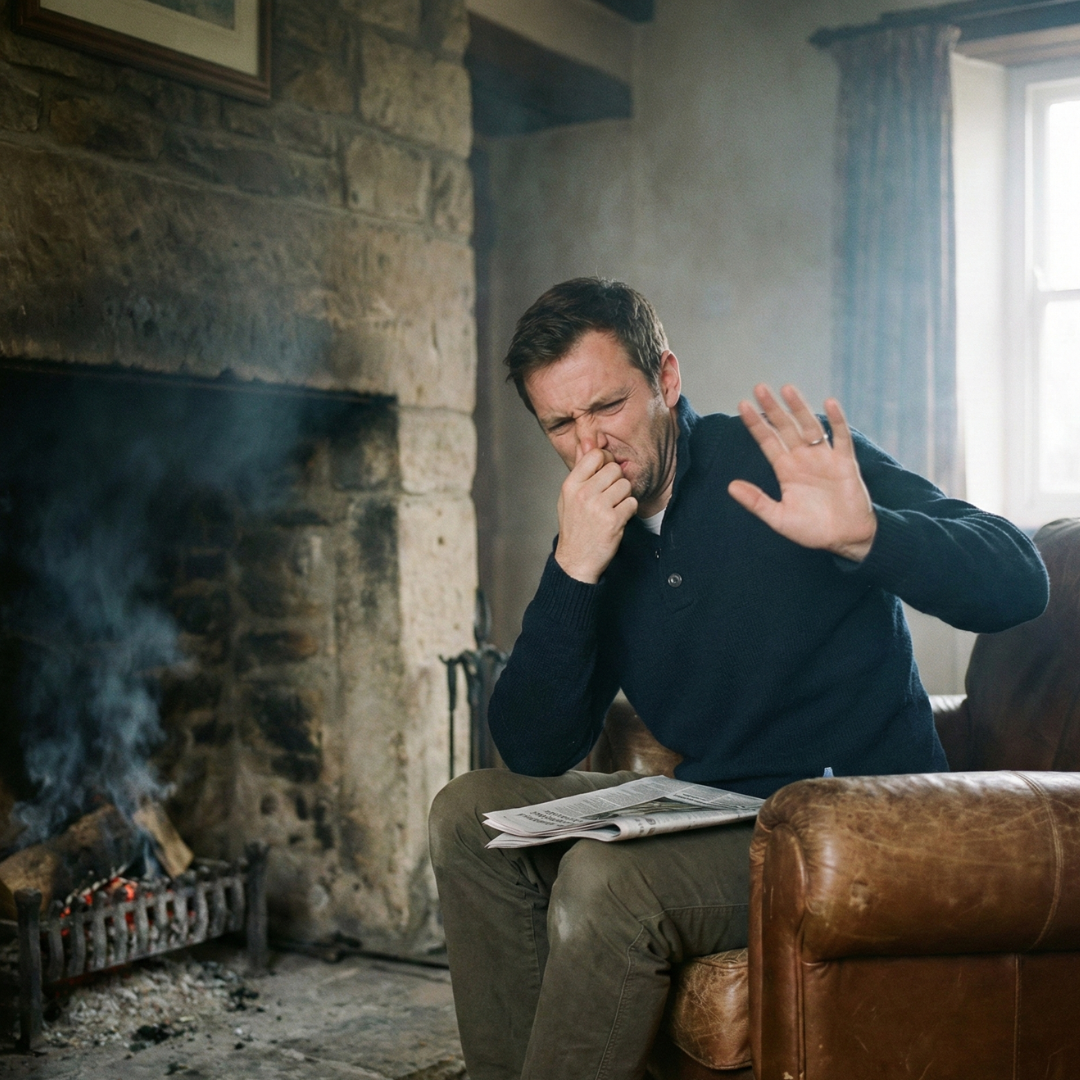 Homeowners often ask: Is it normal for fireplaces to smell bad? The short answer is no. If you're keeping up with your annual inspections and properly cleaning your chimney and fireplace, there shouldn’t be a foul odor. A foul odor is often the sign of an underlying problem – improper cleaning, water leaks, or even a dead animal, such as a bird, bat, or owl.
Here are five common reasons why your fireplace may stink.
1. Living or Deceased Animals
Birds, squirrels, and raccoons often see your chimney as a cozy retreat. Their droppings and nesting materials can create a persistent, musky odor that wafts into your living room. When they can’t escape, their decomposing carcasses create an awfully obnoxious stench.
2. Creosote and Sooty Buildup
Creosote is a tar-like byproduct of burning wood. When it builds up on your chimney walls, it emits a strong, burnt-asphalt smell. This odor often intensifies during the humid summer months or on rainy days.
3. Mold & Mildew
Water is the enemy of a chimney. When water seeps through cracked masonry, an open damper, or a damaged chimney crown, the humid conditions inside the chimney promote the growth of mold and mildew, which creates an earthy, damp, or stale odor in the fireplace.
4. Negative Air Pressure
Modern homes are often sealed so tightly that they create a vacuum effect. When you run exhaust fans (like in your kitchen or bathroom), air is sucked down the chimney. This downdraft brings all those dormant chimney smells right into your living room.
5. Decaying Organic Matter
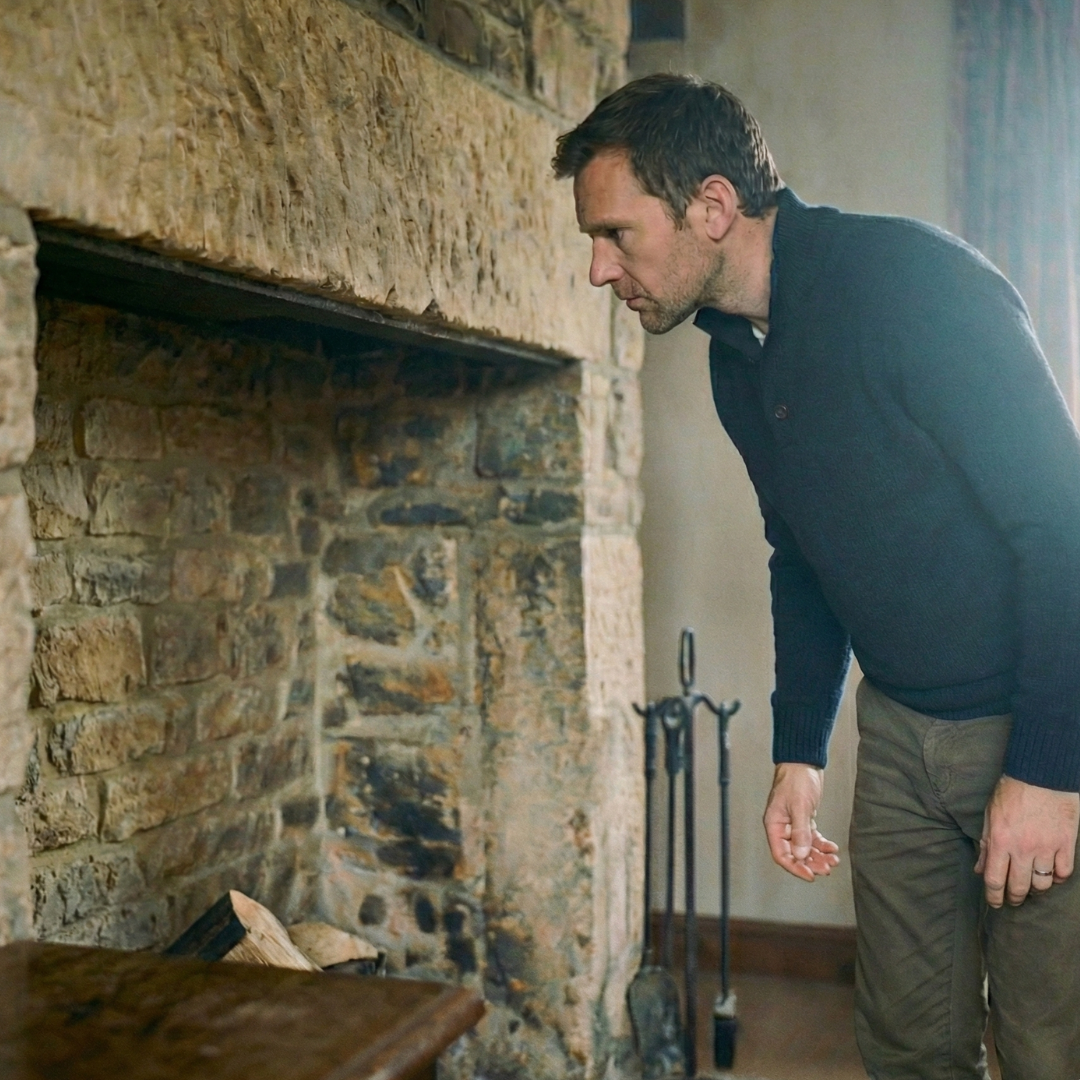
Leaves, twigs, and pine needles can easily fall into an unprotected flue. As these materials sit in the damp, dark environment of your chimney, they begin to rot. This creates an earthy, compost-like smell that is particularly noticeable after a heavy rain, typically in the spring.
What to Do If Your Fireplace Smells?
Our Midwestern summers are notoriously humid. Moisture in the air acts as a "carrier" for many odors, making them much more noticeable than in drier climates. During our freezing winters, the temperature difference between your warm home and the bitter cold outside can exacerbate air pressure issues, forcing smelly air down into your home.
If you notice a foul odor:
-The first step is to stop using the fireplace.
-Close the damper to limit airflow.
-Check for water stains or creosote buildup.
-Schedule a professional inspection and cleaning.


