
The Environmental Impact of Wood-Burning Fireplaces
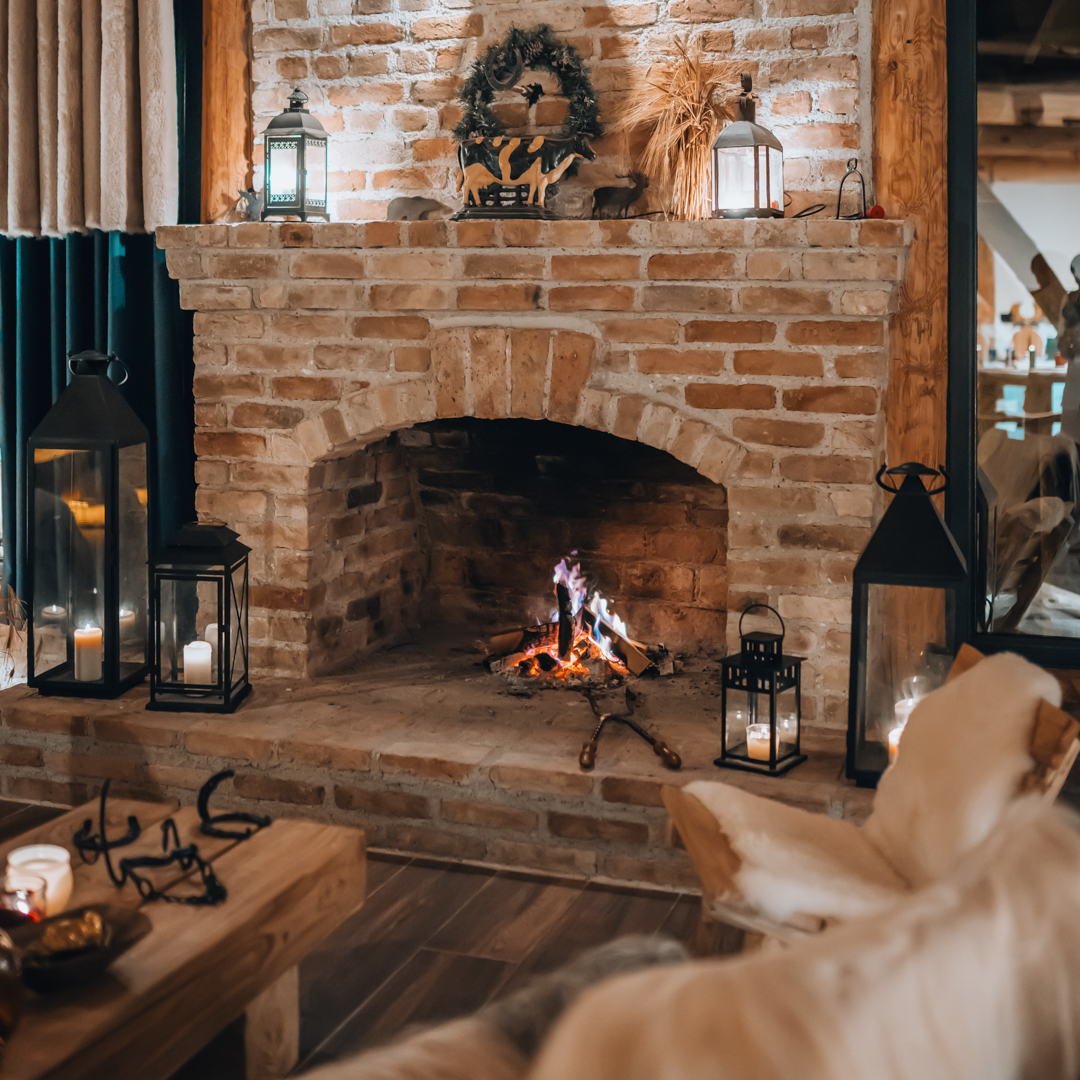 Many homes enjoy the cozy atmosphere of a fireplace lit on a cold winter night. But do you know the environmental impact of wood-burning fireplaces? With all the urban areas and traffic in the United States, residential wood burning is more harmful to the environment in cities such as New York, as it is more harmful than the entire transportation sector in that state.
Similarly, California, with its large urban areas and notorious for traffic, the California Air Resources Board estimates that wood stoves and fireplaces contribute more PM2.5 than the exhaust from all motor vehicles on the road combined. This also takes into consideration that the winters are mild compared to other states.
Traditional wood burning fireplaces release particles such as carbon monoxide and volatile organic compounds (VOCs), which contribute to both indoor and outdoor pollution.
A Group 1 human carcinogen is related to wood burning and outdoor air pollution. This was reported by the International Agency for Research on Cancer.
Many people believe that, due to its natural impact and the ability to replant trees, there is no harm in burning wood. This has been proven inaccurate. In fact, burning wood harms the environment, the climate, and our health.
What Are The Better Options?
You would hate to give up the ambiance of your fireplace, but would like to be conscious of the impact of wood burning. Here are some alternatives to wood burning.
- Electric Fireplaces. This is the most environmentally friendly. There are no emissions emitted here. They are highly efficient at adding additional warmth to a room. Some are lifelike and replicate a natural flame.
- Pellet Stove. Burn compressed pellets, which are made from recycled wood waste. These are cleaner than traditional wood.
- Gas Stoves. Burn natural gas or propane through a sealed combustion unit.
- Ethanol Fireplaces. These fireplaces burn bio ethanol, which is a fuel made from renewable plant sources such as corn, sugarcane, or beets.
What Can I Do to Be a Better Custodian of the Environment?
- Watch what you burn. Burning other products other than wood can cause toxins in the environment. Do not burn household garbage, plastics, magazines, or paper with ink on it. Coated or pressure-treated wood. Construction wood, moldy wood, etc.
- Build HOT fires. Use hardwood such as hickory, oak, and maple. When building a hot fire, start with heavy wood on the bottom, followed by kindling and paper or a fire starter. Creosote also won’t accumulate as much when burning a hot fire.
- Burn dry, seasoned wood. Wood should be seasoned for 6 months to one year.
- Be advised when choosing manufactured wood. If using a manufactured log, ensure that it is made of 100% sawdust.
- Use an Air Purifier. While having a fire, use an air purifier to help circulate the air.
If you are interested in an alternate heating source that is better for the environment, contact our representative at Chimney Specialists Inc.
CHIMNEY SPECIALISTS INC. prides itself on offering customers and contractors in the tri-state area of northeast Iowa, northwest Illinois, and southwest Wisconsin, complete installation service, nationally certified technical experts, a huge selection of quality stoves, fireplaces, and of course, competitive pricing.


